Tariffs and War Damage Trade in Agricultural Goods Around the World. The Struggle Between U.S. Soybean Growers
- Apr 16, 2026
- 65 Views
Tariffs and War Damage Trade in Agricultural Goods Around the World. The Struggle Between U.S. Soybean Growers
Trade in agricultural goods around the world is being affected more and more by geopolitics, taxes, and issues in the supply chain. U.S. soybean farmers have become one of the most famous examples of how trade problems and disagreements can raise the cost of goods in the previous few years.
As per Europe Export Data by Import Globals, farmers are quite stressed out right now because of the tariffs that were put in place during the trade war between the U.S. and China and because of political concerns that are making it impossible for gasoline and fertilizer supply chains to work.
Soybeans are one of the most traded crops in the world, and the US sells a lot of them to foreign countries. China has historically been the main importer of U.S. soybeans, which are a big part of all exports. But since 2025, problems with trade and politics throughout the world have made it harder for China to buy products. Prices have gone down, the cost of making things has gone up, and American farmers are less sure about the markets across the world.
As per USA Import Data by Import Globals, China may have started buying certain products again after talks and trade deals, but the rebound hasn't been constant. Many farmers say that the help and money they get from the government isn't enough to make up for the losses they had due of tariffs, trade restrictions, and supply shocks caused by conflict. The soybean market is a vivid example of how geopolitics can effect trade between countries as the markets for crops change throughout the world.
What Soybeans Do in the World of Farming Trade
As per USA Import Export Trade Data by Import Globals, Soybeans are very important to farming all around the world since they are used to make food, animal feed, biofuels, and oils that people may eat. People in North and South America grow the crop, and people in Europe and Asia buy it.
China is the country that buys the most soybeans. This is mostly because of the country's large poultry and livestock industries. China buys more than half of all the soybeans that are traded around the world every year. Exporters need to pay close attention to this market.
A lot of soybeans are farmed all around the world. The industry is worth more than $150 billion around the world, and it is predicted to keep growing over the next ten years as demand for animal protein rises. But pricing, supply chains, and farmers' earnings can shift quickly when trade ties or geopolitics alter since the market is so interwoven.
How U.S.–China Tariff Fights Affect Soybean Trade
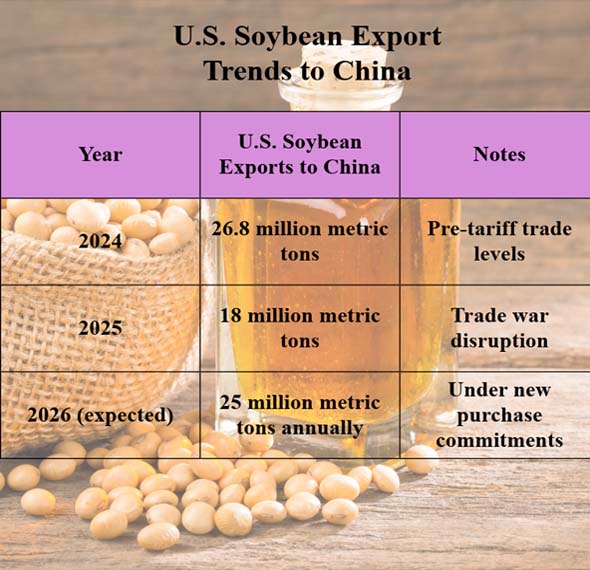
Based on USA Import Custom Data by Import Globals, the trade war between the US and China has made things the hardest for the soybean market in the last few years. When the latest round of trade disagreements happened in 2025, China levied taxes on U.S. agricultural goods including soybeans. These taxes made it much harder for China to buy things from other countries because of what the U.S. did. China ceased buying soybeans from the U.S. for a few months in 2025. This made American farmers look for other places to market their commodities.
The drop in trade volumes has a big effect on how goods move throughout the world. Brazil and Argentina soon stepped in to take over for the United States, which had less supply. Brazil, in particular, gained from Chinese customers wanting more. Brazil sent China more soybeans than ever before. Things got better in 2026, but exports are still lower than they were before trade tensions rose.
Costs of Inputs Going Higher and Problems Procuring Suppliers Because of War
According to USA Import Trade Analysis by Import Globals, farmers had to pay more to grow soybeans because of political issues, even though tariffs made U.S. soybeans less popular. The war in Iran in early 2026 messed up the Middle East's energy and fertilizer supply lines. The Strait of Hormuz is one of the most heavily traveled shipping routes in the world. It moves a lot of fertilizer, oil, and natural gas.
When tensions between countries in the area rose, shipping problems made the costs of oil and fertilizer go up a lot. Farmers are directly affected by these price hikes since they need petrol to run their machines and fertilizers to grow their crops.
As per Europe Exporter Data by Import Globals, Soybeans don't need as much nitrogen fertilizer as corn and other crops, but many soybean farmers also grow corn, so increasing fertilizer prices still affect farm profits a lot. Farmers had to contend with two economic shocks: the cost of creating products went up, and the market for their exports went down.
The Farming Industry in the U.S. Is Having Money Problems
More and more people in rural areas of the United States can see how hard it is for soybean farmers to make ends meet. Reports from rural areas in the Midwest claim that a lot of farmers went into the planting season in 2026 thinking they would lose money again. Even while the federal government has programs to help farms make up for losses from tariffs, many of them still have trouble paying their bills.
Almost half of the farmers who were asked said their financial situation had been worse since the year before. Based on Europe Importer Data by Import Globals, soybean prices have been erratic since the way people trade is changing and the global commodities markets are not stable.
Up Against Brazil and South America
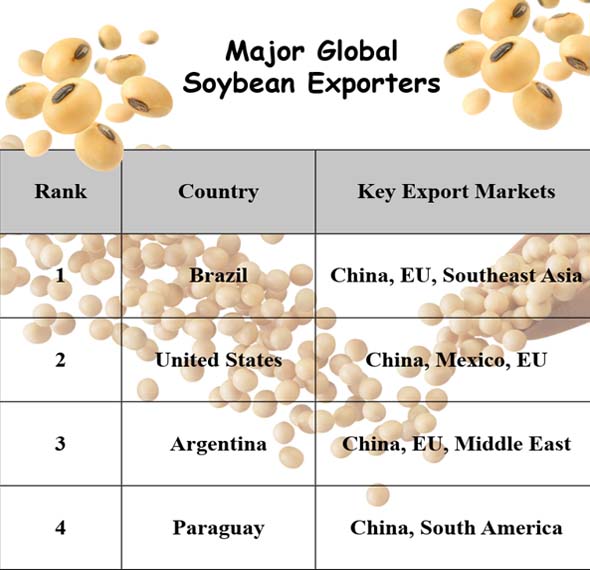
Another big reason why U.S. soybean exports are going down is that South America is becoming a bigger competitor. Brazil is now the world's biggest exporter of soybeans, and in the last ten years, it has greatly increased its output. Brazilian exporters earned a higher portion of the Chinese market when China stopped buying as much U.S. soybeans because of tariffs.
As per China Import Data by Import Globals, China bought more than 111 million metric tons of soybeans in 2025. Most of these came from Brazil and Argentina. Because of the trade dispute between the U.S. and China, Brazilian farmers were able to sell goods to China more easily. Because soybean production is rising in South America, it is becoming harder for U.S. farmers to compete in global markets.
What the Government can and Can't Do
The U.S. government started a number of programs to help farmers deal with the money problems generated by tariffs. Tariff receipts helped pay for these initiatives by giving money for direct payments and other types of financial support. A rescue program was unveiled in 2025 that gave farmers who were hurt by trade tensions about $11 billion.
But a lot of farmers think that these payments don't make up for the markets they lost for exports. Government subsidies can help farmers get by for a short time, but it can't replace the long-term demand from purchasers all around the world. According to USA Import Export Trade Analysis by Import Globals, farmers frequently like open trade markets better than subsidies because they can better manage their production and investments when there is a steady demand for exports.
Changes in the Prices of Things Around the World
Because of tariffs and disagreements between countries, prices for farm goods have also grown less stable. Soybean prices have changed a lot because of trade talks, the weather, and other things going on in the world. In April 2026, the price of soybeans on the world market was roughly 1,164 cents per bushel.
Farmers have to choose what to cultivate months before they harvest, so price changes make things a lot less clear for them. Based on USA Export Data by Import Globals, the global soybean market is still healthy in the long run, but trade wars are still making things hard for farmers in the near term.
Effects on Agricultural Trade in the Long Run
The issues faced by U.S. soybean producers reflect broader transformations in the global trade of agricultural commodities.
1. Geopolitical Events Are More Likely to Happen
Political issues are more likely to affect commerce when significant trading partners apply taxes or bans on farm goods.
2. Adding Greater Variety to Supplier Chains
China and other countries are getting suppliers from more than one country so they don't have to depend on just one exporter.
3. The Cost of Making Things is Increasing Up
Geopolitical issues that make it hard to get fertilizer and energy can make farming a lot more expensive.
4. Changes in How the World's Markets Work
Brazil and other nations are improving their roads and fields, which makes it tougher for traditional exporters to do business. These trends suggest that the agriculture market around the world will be unstable for a time.
To Sum Up
Because of tariffs and challenges in other parts of the world, U.S. soybean farmers will have a lot of trouble with money in 2025 and 2026. Farmers are having a hard time because they are selling less food to China, their costs are rising up, and farmers from South America are getting more competitive.
Trade accords let China buy some soybeans again, but the rebound isn't over yet. Government aid programs have benefited for a brief time, but they can't totally replace the stability that free global markets supply.
The narrative of U.S. soybean farmers reveals how wars between countries, trade policy, and politics are all having a growing and bigger effect on farming around the world. Farmers have to deal with a world market that is getting less stable and more competitive as countries change their alliances and supply chains. Import Globals is a leading data provider of Europe Import Export Trade Data.
FAQs
Que. What do tariffs do to U.S. soybean farmers?
Ans. When trade disagreements happened, tariffs made U.S. soybeans more expensive in big markets like China. People wanted less, and fewer items were exported abroad as a result.
Que. How did conflicts between countries affect the growth of soybeans?
Ans. Fighting messed up the supply lines for energy and fertilizer, which made it harder for farmers to make things and put extra burden on their budgets.
Que. What countries replaced U.S. soybeans in China's market?
Ans. Because tariffs made it harder for the US to send soybeans to China, Brazil and Argentina sent more goods to China.
Que. Are shipments of soybeans to China going up again?
Ans. Yes, some purchases started up again due of new trade deals, but the number of items sent to other countries is still lower than usual.
Que. Where to get detailed USA Import Export Global Data?
Ans. Visit www.importglobals.com.