Global Trade Data
The Global Trade Data : What is it?
A comprehensive import-export trade data from more than 150 nations is the Global Trade Data provided by Import Globals a leading Global Trade Data provider. Global Import Export Data is a uniform format of Import Export Data, which is made to serve a broad spectrum of customers, from huge organizations to lone entrepreneurs, gives firms access to real-time, searchable trade insights.
In addition to offering robust capabilities Global Trade Data enables to search by firm name, HS Code, product description, port data, quantity, shipping value, and much more, depending on your company's needs. Homogeneous reports makes it simple to track competitors or study a certain market.
Important Fields in the Data
- Date
- HS Code
- Product Description
- Importer Name
- Importer Address
- Exporter Name
- Exporter Address
- Total Value in USD
- Quantity
- Unit
- Gross Weight
- Net Weight
- Country of Origin
- Country of Destination
- Port of Loading
- Unloading Port

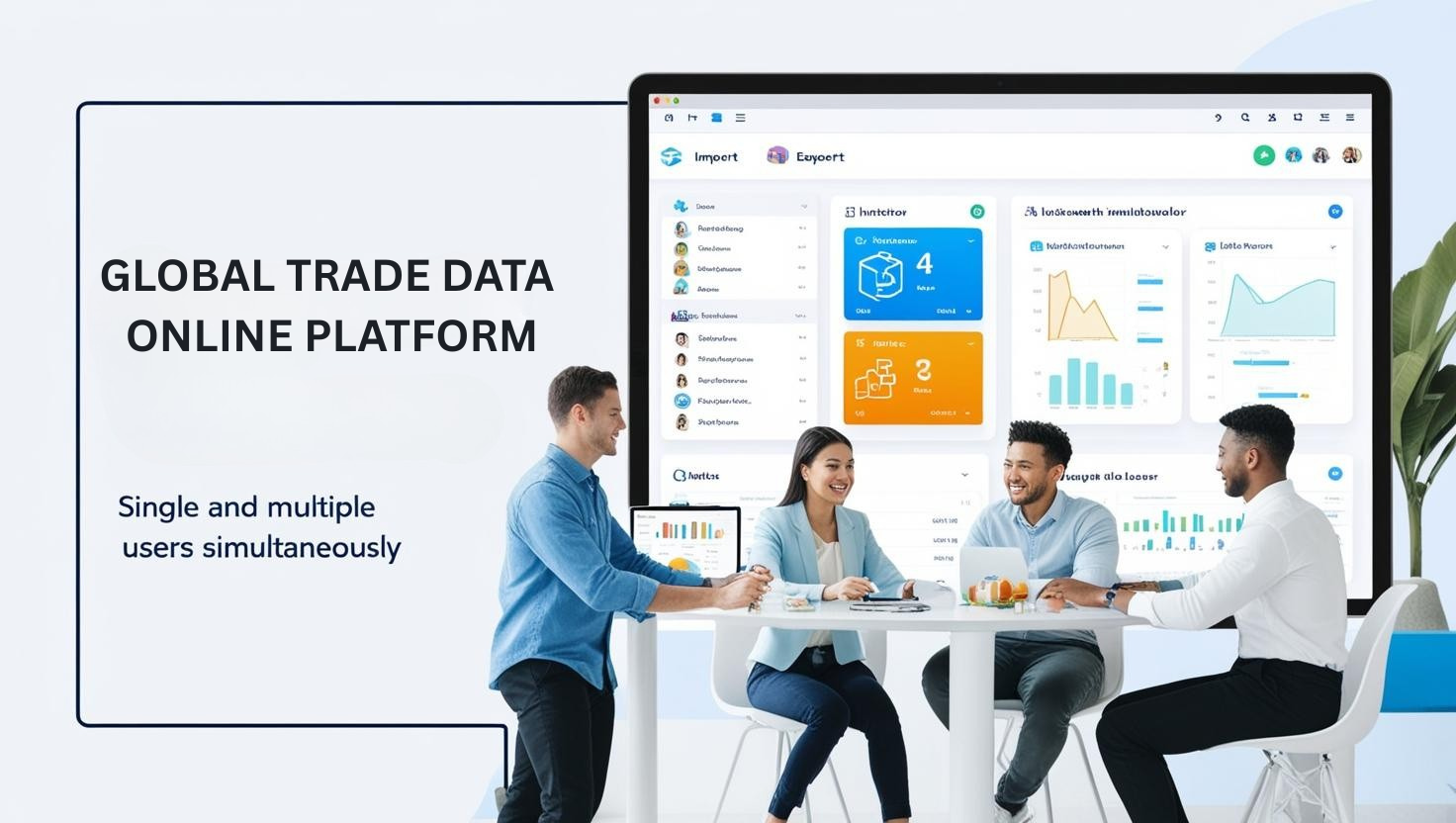
The Global Trade Data silent features
- Globa Trade Data have comprehensive shipping information, including product characteristics, HS Code, value, quantity, and exporter/importer names
- With only one data you can search across more than 150 nations
- Sort by firm name, product type, or HS Code
- Availability of valuable trading records in a variety of industries access by Global Trade Data
- Simple Excel downloads for additional analysis
- Both single-user and multi-user subscriptions are supported by Global Import Export Trade Data.
Benefits of Using the Online Global Trade Data
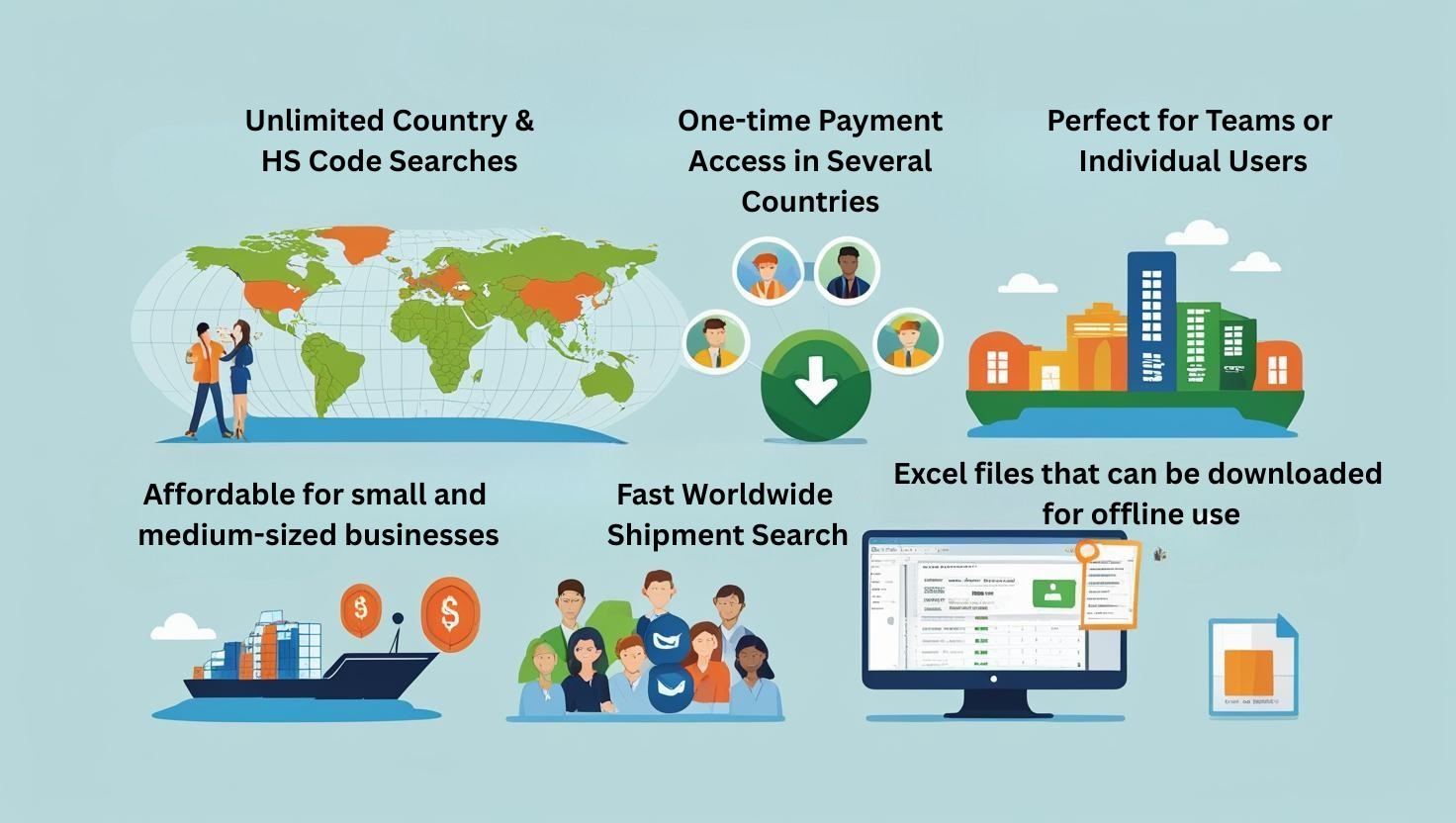
- Unlimited Country & HS Code Searches
- One-time Payment, Access in Several Countries
- Perfect for Teams or Individual Users
- Affordable for small and medium-sized businesses
- Excel files that can be downloaded for offline use
Who Is This Platform Beneficial to?
Companies that Conduct Market Research
Reliable Global Import Export Trade Data is crucial to learn about customer behavior, market dynamics, and competition strategies, market research firms mostly rely on timely and accurate data. They can precisely evaluate new markets, watch the flow of commodities, detect growth trends, and study product demand across various locations thanks to access to worldwide import export data. This aids in producing thorough market studies that support their clients' strategic decision-making. The platform helps researchers perform customized analysis for any industry or region by allowing them to filter data by HS Code, nation, firm, and product.

Retailers and Merchants
Remaining in line with global demand is essential for manufacturing and retail companies to stay profitable and relevant. They can increase their clientele outside of their country by using Global Import Export Shipment Data to find active importers and distributors of their goods across the globe. Additionally, manufacturers can evaluate supply chain expenses, compare prices, and look into new sourcing options. To maintain their competitiveness in both domestic and foreign markets, retailers can monitor in-demand products, examine the actions of rivals, and make data-driven decisions about price and inventory that follow worldwide trends.
Credit appraisal, investment planning, and risk analysis all heavily rely on global trade statistics. Import Export Data can be used by financial institutions to evaluate the value, volume, and frequency of trade for certain companies or industries. They can determine high-growth industries and assess the financial standing of possible customers or investment targets by looking at import-export trends and shipment patterns. Making well-informed decisions about lending, portfolio management, and venture capital strategies is made easier with the help of Global Trade Data. To coordinate their investments for the highest return, investors might also identify underserved markets with high demand.

Consulting Firms for Management
To properly advise customers, management consultants require in-depth knowledge of trade habits, market entrance prospects, and industry dynamics. Consulting firms can assess product performance across markets, pinpoint strategic investment regions, and assist companies in navigating international expansion thanks to their access to trade data from more than 150 nations. Supply networks, competitiveness, and demand cycles are clearly depicted by the Global Importers Data and firm-level Global Exporters data. This increases the value of consultants' strategic suggestions and improves client outcomes by allowing them to provide customized solutions based on real-time Global Trade data.

Investment and Financial Services Companies
Credit appraisal, investment planning, and risk analysis all heavily rely on Global Trade Statistics. Global Trade Data platform can be used by financial institutions to evaluate the value, volume, and frequency of trade for certain companies or industries. They can determine high-growth industries and assess the financial standing of possible customers or investment targets by looking at import-export trends and shipment patterns. Making well-informed decisions about lending, portfolio management, and venture capital strategies is made easier by the data. To coordinate their investments for the highest return, investors might also identify underserved markets with high demand.

Supply Chain & Logistics Firms
Information about commodity movements, port usage, and trade flow patterns can be very helpful to shipping and logistics service providers. By examining exporter/importer activity, this platform assists them in tracking Shipment Import Export Data in real-time, identifying busy routes, and finding possible logistics clients all is possible with the help of Global Import Data. These businesses can optimize their network, cut expenses, and speed up delivery by knowing which products are transported where and in what quantities. Additionally, the Global Export data aids in projecting the demand for transportation and warehousing services and promotes strategic growth into new trade channels.

Governmental Trade Organizations
Global Trade Data can be used by government export promotion councils and trade agencies to track the performance of national commerce, comprehend global demand for regional products, and assess the competitiveness of home enterprises. Government agencies can create trade policies, negotiate trade agreements, and spot chances for diplomatic or commercial cooperation by having access to comprehensive data on buyers, shippers, and commodity categories. It makes it possible for government organizations to more successfully encourage exports and create focused trade development initiatives grounded in empirical Global Import Export Trade Data.

Academic Establishments
This platform can be used as an effective teaching and research tool for academic institutions, research centers, and business schools. Case studies on international trade relations, economic trends, and global trade patterns can all be investigated by academics and students. The information provides a practical resource for economic modeling, thesis writing, and scholarly research. Global Import Export Data facilitates deeper learning and aids in the development of a data-driven attitude in aspiring professionals by providing detailed insights on HS Codes, shipment values, and firm-specific trade activity.

Law Firms
Legal professionals and law firms working in international trade, customs, and regulatory compliance can leverage Global Trade Data to understand commercial trends, identify emerging legal needs, and find potential clients. By tracking shipment routes, commodity movements, and firm behaviors, law firms can identify areas where legal services are in demand, such as contract law, trade disputes, or regulatory advisory services. Additionally, it supports compliance audits and due diligence efforts in cross-border mergers, acquisitions, and business expansions.

EXPLORE ALL COUNTRIES



GET A FREE DEMO
Discover powerful global trade insights and market intelligence.
See how our data solutions can help your business grow.