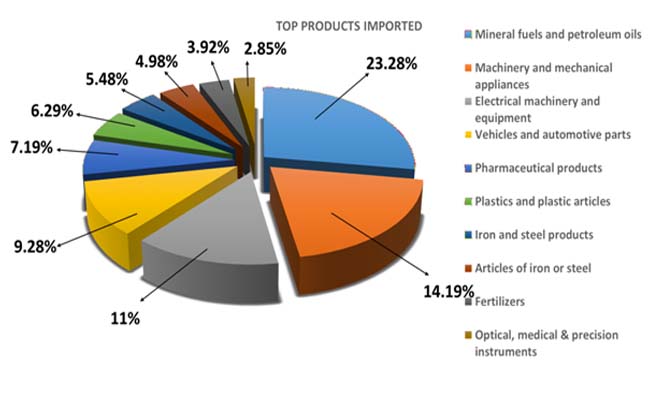
Iran, the economy based in Western Asia bordered by Armenia and Turkmenistan in the northwest and northeast, is trying to fill the vacancy of its domestic demand-led essentials from foreign resources. Iran Import Market Research Data represented the connectivity of the country between the Caspian Sea trade routes and the increasing need for industrial raw materials as the main factors facilitating the import revenue stability. The geographical location between Asia, Europe, and the Middle East is the top influential region promoting the trade rank.
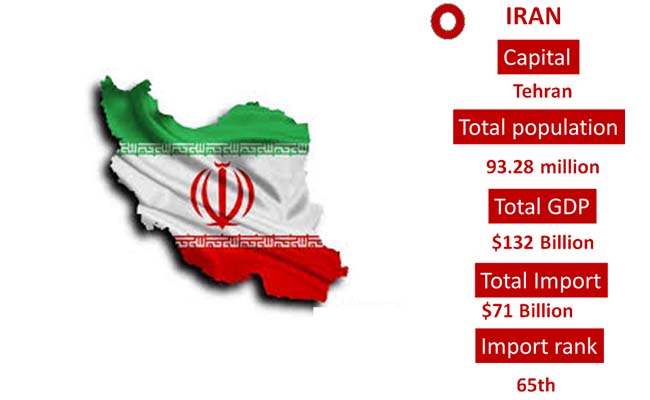
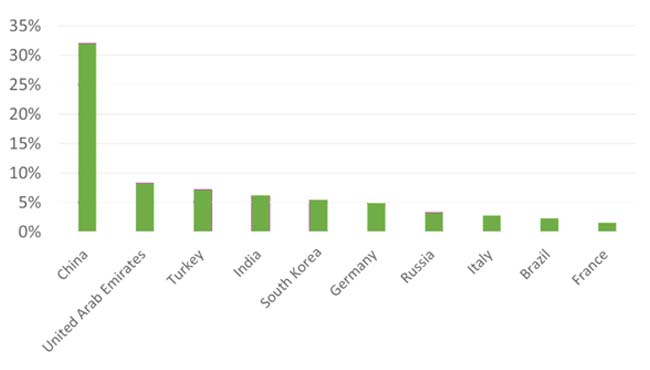
The country has recorded a total value of imports worth $71 billion in 2025, with an overall ranking of 65th on a global scale. The import of advanced diagnostic tools and the limited semiconductor productivity have increased, according to the trade bar graph, says Iran Import Data. Get an in-depth trade overview of the import economy of Iran with the latest trade inputs and the top trade partners.