How the US-Iran Agreement Impacts Global Oil Prices: An Overview of the Energy Markets and the Trade Outlook for 2025
- Jun 20, 2026
How the US-Iran Agreement Impacts Global Oil Prices: An Overview of the Energy Markets and the Trade Outlook for 2025
The global oil market has been one of the most sensitive and influential sectors of international trade. The geopolitical developments have been rapidly influencing the price of supply chain energy security.
The closely monitored geopolitical relationships between the United States and Iran have reshaped the global energy markets while altering the trade flows. Iran Export Data listed that the country, with one of the largest proven crude oil reserves along with natural gas resources, has imposed several sanctions on trade and the ability to fully participate in global energy markets. The renewed U.S.-Iran agreement has led to sanctions relief, increased Iranian oil exports, and an improvement in investment opportunities.
The energy-consuming nations are continuously seeking stable and affordable oil supplies to support economic growth. The development that increases the global crude oil availability influences the pricing trends, transportation costs, manufacturing activities, and inflation rates. At present, the U.S.-Iran agreement has become a hot topic of discussion mainly because of the energy traders, governments, refiners, shipping companies, and investors seeking clarity on the future of the oil trade.
Why is the U.S.-iran Agreement Important for the Global Oil Market?
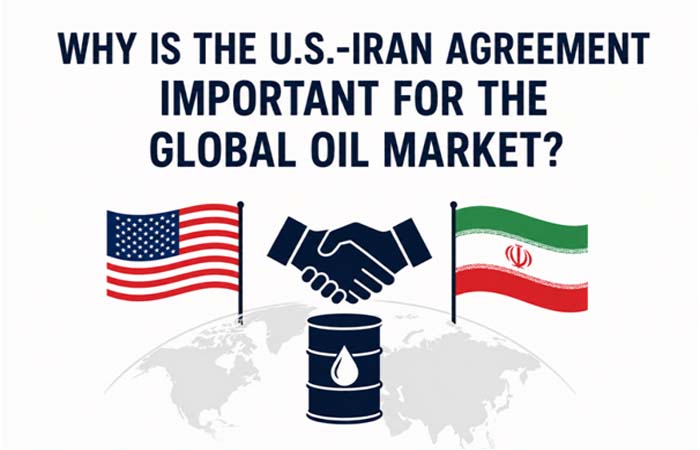
The U.S.-Iran agreement is important for the global oil market and diplomatic relations. The direct influential role is because of the energy-producing regions, the substantial oil reserves, and the positioning of the country near the Strait of Hormuz, has stabilized the oil shipment on a daily basis. USA Export Data has reported the reduction in tensions between the United States and Iran as the factors improving the market confidence while reducing the supply disruption concerns.
The trade agreement has been considered important because it reduces geopolitical risk, improves energy market stability, encourages foreign investment in Iran's energy sector, and supports global supply chain resilience. The energy research analysts currently believe that the additional Iranian crude oil entering the international market is beneficial for the balance of trade and the supply-demand conditions.
The Relation Between Geopolitics and Oil Prices
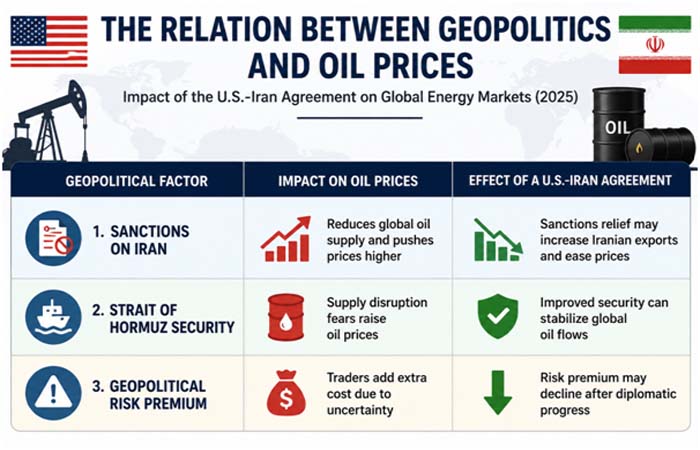
The oil prices are influenced at present mainly because of the production levels and geopolitical uncertainty. The marketing authorities are even risking their actual supply disruptions. The rise in the Middle East trade tensions and the typical anticipation of the traders and the potential supply interruptions have increased the oil prices. The diplomatic agreements have reduced the conflict risk while contributing to the price stabilization.
The sustainability in the U.S Iran agreement could result in lower market uncertainty, improvement of the shipping security, reduced insurance costs for oil tankers, and increased investor confidence. The crude oil trade pinpoints Brent crude and West Texas Intermediate as the main shipments that would experience downward pressure if Iranian oil enters global markets, as per Iran Shipments Data.
The Significant Impact of Sanctions Relief on Iranian Oil Exports
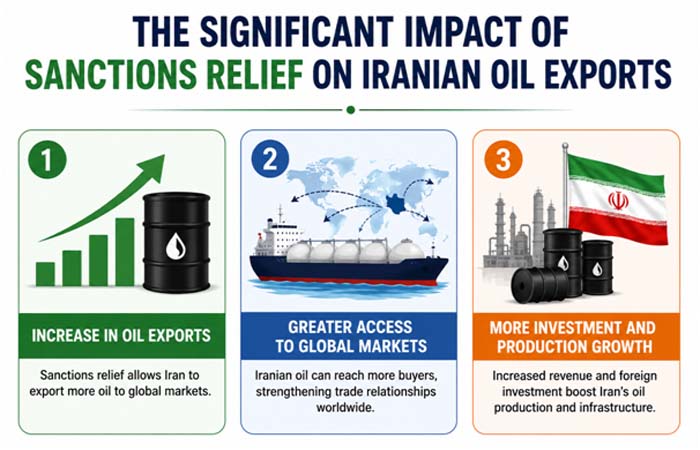
The renewed agreement has resulted in the easing or removal of sanctions affecting the oil industry of the Iranian Union. The historical export of Iran's worth millions of barrels of crude oil per day has come across a reduction in its export volumes and limited access to the international buyers.
The easing of the party sanctions rapidly increases the exports through existing production facilities, stored crude oil inventories, expanded production investments, and reopened international trade partnerships. The Iranian oil return to international markets has increased the global supply availability and potential reduction in the upward pressure on oil prices.
The Top Beneficiaries of the USA Iran Agreement
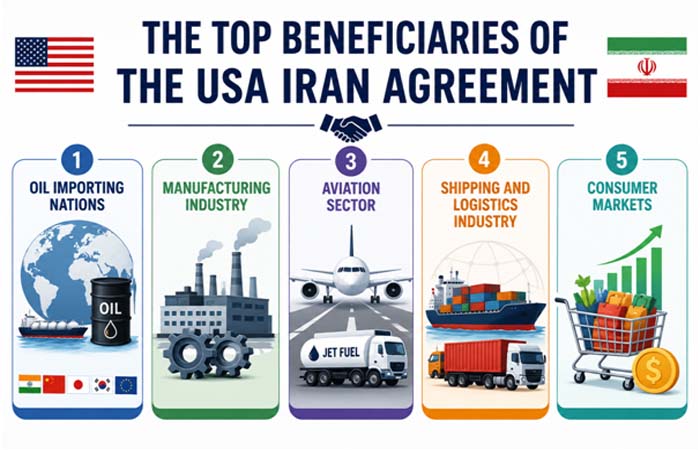
1. Oil Importing Nations - The countries reliant on imports for their energy resources can improve the supply availability and lower the oil prices. India, China, Japan, South Korea, and the European nations are the top beneficiaries of the US-RAN agreement. The lower crude oil prices are supposed to reduce the energy cost while improving the economic growth prospects.
2. Manufacturing Industry - The dependence of the manufacturing industry operations heavily on fuel and energy has reduced the production expenses while improving the profitability and supporting the industrial expansion.
3. Aviation Sector - The US-Iran agreement has even lowered the transportation cost to the aviation sector. Jet fuel represents the major operating expense for airlines. The decline of crude oil prices has reduced the airline operating cost with the proper improvement in the profit margins and encouragement of the travel industry growth.
4. Shipping and Logistics Industry - The shipping and logistics industry has deserted, and the fuel cost has decreased. Benefits towards the global logistic providers has led to reduced bunker fuel prices and has lowered the freight rates with an improvement in trade competitiveness.
5. Consumer Markets - The lower energy prices have helped the management authorities control inflation and increase the consumer spending power. The US-Iran trade agreement can facilitate the overall trade of the consumer markets with profitable starting rates.
Industries With Close Exposure to the Risk of the US-Iran Trade Agreement
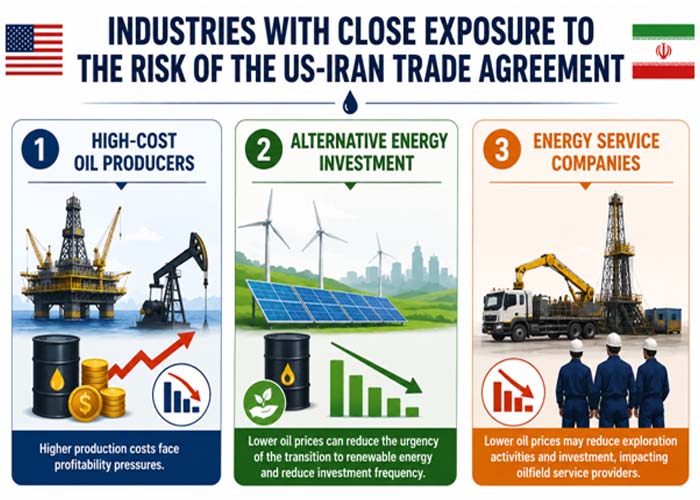
1. High-Cost Oil Producers: The high-cost oil producers can face several challenges due to the US-Iran trade agreement. The higher production costs of the authorities may impact the profitability pressures. Deepwater drilling projects, Arctic exploration projects, and high-cost shale operations are some of the top examples.
2. Alternative Energy Investment: The declining rate of oil prices in the long term can reduce the urgency of the transition to renewable energy resources. US-Iran trade agreement can reduce the frequency of investment in the crude oil trade.
3. Energy Service Companies: The oilfield service provider may also experience a certain reduction in their investment activities, with a lower price discouraging exploration.
The Leading Oil-exporting Countries Affected by the Agreement
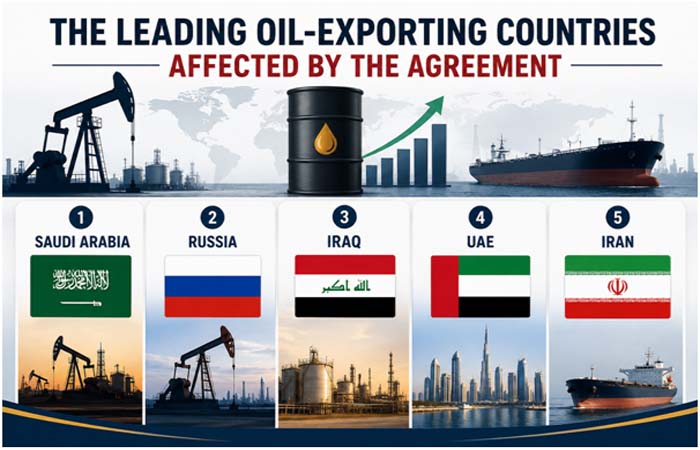
The increase in Iranian oil exports has influenced the market share and its overall revenue, while the major producers are coming across severe trade challenges. The top countries affected by the U.S.-Iran trade agreement as per USA Trade Data are,
1. Saudi Arabia - Saudi Arabia Export Data reported that the country is one of the largest oil exporters. The increase in Iranian crude exports has intensified the regional competition while maintaining the trade balance.
2. Russia - The crucial role played by Russia in global energy markets is mainly because of its influential pricing strategies and export destinations. Russia Export Data reported a significant share of the country in the global crude oil trade, mainly because of the mining reserves present in the nation.
3. Iraq - The substantial crude volumes of Iraq are due to the increased competition in Asian markets. The Iraq Export Data reported the customs modernization of the shipments as the main factor promoting the market growth rate.
4. UAE - The top maintenance of the strong energy export capabilities in the United Arab Emirates has led to adjustments in the production strategies. The dependency on the market conditions is mainly because of the integrity maintained by the country with the leading traders, says UAE Export Data.
5. Iran – Iran Export Data reported the country has emerged as one of the primary beneficiaries with extensive relief, enabling high export volumes. The U.S.-Iran trade agreement has contributed to the high crude oil trade of the nation.
The Role of OPEC and OPEC+ in Price Stability
The Organization of the Petroleum Exporting Countries and its reliance on global trade hold a major significance in stabilizing the crude oil export trade. The significant rise in Iranian exports may influence the OPEC+ members to consider the following factors: production adjustments, output quotas, market stabilization measures, and strategic supply management.
The determination of the group's response would be quite critical, like the oil price's experience, the moderate declines, and the stable trade rate. The agreement would have a severe impact on countering all the trade fluctuations.
Most Affected Oil Trade Categories by Hs Code Classification
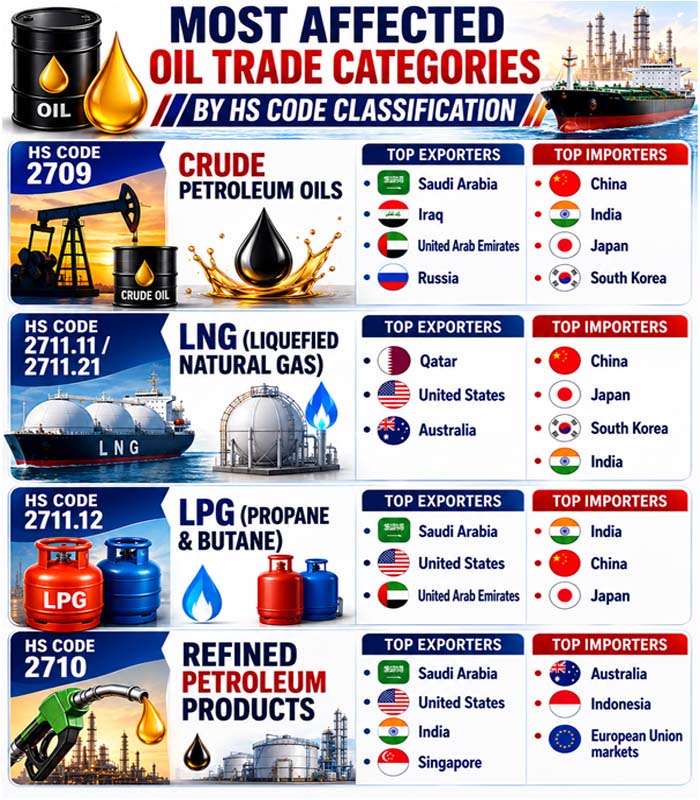
HS Code 2709 – Crude Petroleum Oils
Risk Level: High Impact
Crude petroleum is the top product that is getting directly impacted by the increase in Iranian exports.
TOP EXPORTERS
- Saudi Arabia
- United States
- Russia
- Iraq
- Iran
TOP IMPORTERS
- China
- India
- Japan
HS Code 2710 – Refined Petroleum Products
Risk Level: Moderate Impact
Refined fuel products will come across severe pricing adjustments due to the decline in crude feedstock costs.
TOP EXPORTERS
- United States
- Singapore
- India
TOP IMPORTERS
- European Union
- African nations
- Latin American markets
HS Code 2711 – Petroleum Gas and LNG
Risk Level: Emerging Opportunity
The proper diplomatic relations will increase future investment opportunities, mainly in Iran's natural gas sector.
TOP EXPORTERS
- Qatar
- United States
- Australia
TOP IMPORTERS
- Japan
- South Korea
- China
HS Code 8901 – Oil Tankers and Cargo Shipping
Risk Level: High Opportunity
The Iranian exports expansion will increase tanker demand and shipping activity.
TOP BENEFICIARIES
- Shipping companies
- Port operators
- Marine logistics providers
Challenges Associated With the USA Iran Trade Agreement
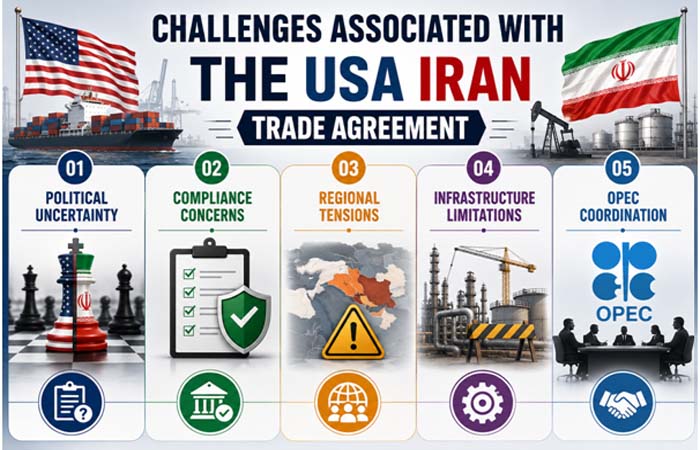
1. Political Uncertainty - The USA Import Data reported that the negotiations between the United States and Iran to continue the USA-Iran trade agreement have faced significant obstacles, leading to fluctuations in the overall trade regulation.
2. Compliance Concerns - The regulatory requirements, and the verification mechanisms signed by both the government authorities will cause a significant effect on the implementation of trade.
3. Regional Tensions - The Middle Eastern geopolitical dynamics will influence the market sentiment. The continuous hike in the export trade will boost the integrity of the bilateral relationships.
4. Infrastructure Limitations - The additional investments will maximize the production capacity, whereas the infrastructure limitations will boost the trade categories across different regions.
5. OPEC Coordination - The proper balance is maintained, and the Iranian exports with broader market stability are mainly because of the involvement of OPEC in order to resolve the complexities.
How Do Import Export Data Providers Help the Business Authorities Navigate the Oil Market Challenges?
1. Monitoring of Oil Trade Trends - The latest insights from the import-export data help the business authorities identify the emerging supply patterns and pricing shifts. The acknowledgement of the import-export information helps the business authorities understand the proper trade strategies followed in the global market.
2. Tracking of Major Buyers - The monitoring of the purchasing activities helps the authorities properly track the top buyers on a global scale. It gives them a basic idea regarding the increasing demand for oil in different regions worldwide.
3. Supplier Identification - The latest insights on suppliers help the business authorities in identifying the labour suppliers. The sourcing opportunities promote market understanding along with clear, verified trade.
4. Competitor Analysis - The shipment level data is considered beneficial because it supports strategic decision-making. The market positioning is enhanced on the basis of the acknowledgement of trade activities.
5. Risk Management - Businesses trying to be progressive can anticipate the disruptions with the proper optimization of the procurement strategies. The increasing trade activities can even lead to disruptions in the smooth trade activities.
Future Trade Outlook of Global Oil Markets
The overall future of the global oil trade. is more diversified and depends far beyond the U.S.-Iran agreement. Global economic growth, OPEC+ production policies, energy transition initiatives, industrial demand trends, and geopolitical developments will maintain the stability of overall trade.
The comprehensive agreement has been reached and implemented successfully. The improvement of the supply conditions will promote greater stability. The oil prices will respond to a quicker section of demand rate, the combination of the economic fundamentals, and geopolitical events.
A Comprehensive Overview of the Global Energy Trade
The energy market is getting transformed with time, mainly because of the geopolitical negotiations, technological advancements, and the evolving trade relationships. The successful U.S.-Iran agreement is on the way to becoming the most influential developmental step taken by the government authorities to shape the global oil market. The increased participation of the Iranian authorities in international energy trade will improve the supply availability, moderate the price volatility, and strengthen the energy security for importing nations.
The businesses that are trying to operate in energy, shipping, manufacturing, logistics, and international trade will closely monitor the developments. The reliable access of the authorities to detailed import-export data and the shipment-level insights on USA trade data will help the organizations identify the emerging opportunities while minimizing the market risks.
Conclusion
The U.S.-Iran agreement is not only a trade agreement, but it's also far more than a diplomatic milestone. The agreement holds the potential to significantly influence the global oil supply pricing strategies, trade flows, and economic stability. The Iranian oil exports have helped the authorities balance the global energy markets while reducing the geopolitical uncertainty. As per the USA Trade Data, the challenges involving political negotiations, regulatory compliance, and production management will shape the outcome. The businesses trying to be progressive can monitor the evolving market conditions while trying to be positioned, capitalizing on emerging opportunities in the rapidly changing global energy landscape.
CTA
Trying to update your trade database regarding the latest information on US and Iran shipments, then you have landed at the right platform here. Iran and the US trade complexities are resolved by Import Globals with active trade insights. Subscribe to www.importglobals.com or email info@importglobals.com to accelerate your trade information regarding the detailed insights of the updated database while accelerating growth rate with in-depth information from the trade agreements.
FAQ'S
Que. Why is the US - Iran agreement considered beneficial for business growth?
Ans. The US-Iran agreement is considered beneficial for global oil prices because it helps the authorities reduce geopolitical tensions in the Middle East, improves the global oil supply chains, and even influences international crude oil prices.
Que. How could the trade sanctions relief affect Iran's oil exports?
Ans. The trade sanctions on Iran's oil export increase the crude oil export with proper utilization of the existing production facilities and by attracting foreign investment into its energy sector.
Que. Will the US-Iran agreement lower the global prices?
Ans. Yes, the increased Iranian oil supply will create downward pressure on oil prices via proper improvement of the global supply availability.
Que. Which countries would benefit from the lower oil prices the most?
Ans. Major oil-importing countries like India, China, Japan, South Korea, and several European nations will benefit the most from the lower energy cost and the improved economic stability.
Que. What results can the industries obtain from a decline in oil prices?
Ans. Manufacturing, aviation, logistics, transportation, shipping, and consumer goods will reduce fuel and operating costs.
Que. How will the US - Iran agreement impact the OPEC and OPEC Plus production strategies?
Ans. The OPEC and OPEC Plus production strategies will adjust to the production quotas while balancing the market as per the increase in Iranian oil exports.
Que. What information is available in the trade reports?
Ans. Trade reports of Import Globals cover in-depth information regarding importer names, exporter names, shipment details, HS code, product details, quantity, values, pricing information, origin country, importing country, and port details.
Que. How frequently is the USA trade data and Iran trade data updated?
Ans. The USA trade dataand Iran trade data are updated on a monthly basis.
Que. How can the import export insights of Iran and the USA support business growth?
Ans. The import export insights of the USA and Iran can support business growth by promoting the proper identification of buyers, supplier analysis of market demand, and development of effective market expansion strategies.
Que. Where can I obtain detailed information on the USA Trade Data and Iran Trade Data?
Ans. Visit www.importglobals.com or email info@importglobals.com for detailed updates on USA Trade Data and Iran Trade Data.
You Can Also Visit :-
- US Imports and Exports: Components and Statistics
- The Top Five Things That the Us Imports, and the Countries That Do So
- The Trade Data Indicates Where the Most U.S. Goods Will Go in 2025
- Tech and Software Services Exports: America's Quiet Trade Engine
- USA Economic Data and Trade Analysis