Commodity Markets Are Changing the Way People All Around the World Buy and Sell Products and Money
- May 01, 2026
Commodity Markets Are Changing the Way People All Around the World Buy and Sell Products and Money
According to Import Globals, a company that gathers data about goods traded between Australia and other countries, there is evidence that commodity prices are again playing a large role in shaping the global economy.
Prices for metals, such as copper and gold, as well as for oil, are fluctuating and breaking changing patterns of currency movements, trade balance issues, inflation and financial markets around the world. By the year 2026, the correlations between commodities, currencies, and global trade will have strengthened due to the shift towards renewable energy sources, concerns about supply, and political instability.
According to Import Globals Australia Export Data, oil prices have risen due to recent political developments such as the conflict in the Middle East. As a result, resource-rich economies are now perceived to be more attractive than before. In addition to this development, the Australian dollar, Canadian dollar and Norwegian krone (all currencies that correlate with goods exported) have appreciated considerably relative to other major currencies throughout the world. As of 2026, these three currencies had appreciated more than 7% against the U.S. dollar; indicating that changes in global supply chains will continue to impact how some currencies are ranked relative to one another throughout the world.
Energy prices keep climbing, and supply shortages aren’t just making things tough for businesses—they’re shaking up trade patterns, supply chains, and forcing experts to rethink economic forecasts. The whole “commodity cycle” is shifting, so trade relationships and economic influence between countries are changing too.
Learning About How Global Commodity Markets Work and What They Do
Commodity markets run the show when it comes to global trade. People buy and sell staples like metals, energy products, and agricultural goods. Pretty much everything we manufacture starts with these basic materials.
According to Europe Import Export Trade Data from Import Globals, oil still dominates the market. Brent and West Texas Intermediate are the main benchmarks that set prices for energy worldwide. Natural gas, metals, and farm products also play huge roles and influence economies far beyond their immediate sector.
Tech breakthroughs, political tensions, supply chain hiccups, and the ups and downs of global demand all cause big price swings. Countries that export raw materials cash in when prices rise. On the flip side, those that import commodities end up wrestling with inflation and trade deficits.
When Countries Are at Odds With Each Other, Prices Go Up
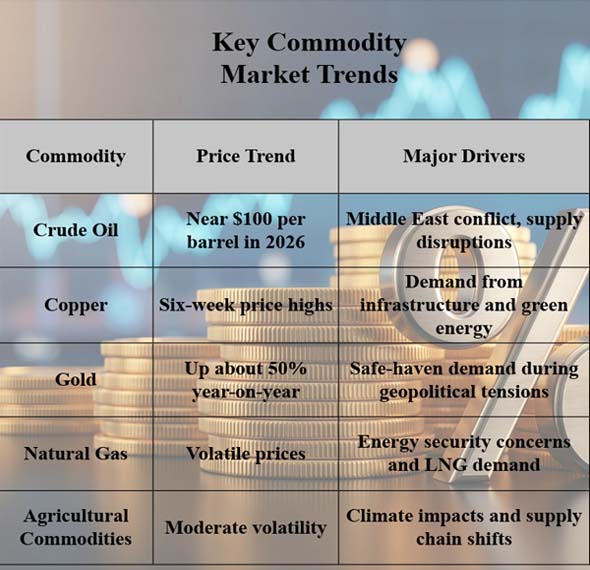
According to Iran Import Data from Import Globals, the commodity market’s been all over the place in 2026. Blame it mostly on geopolitics and trouble in key energy-producing regions. The war in Iran alone has rattled energy markets worldwide—oil shot up to around $100 a barrel, and honestly, the stock market’s been a mess.
Thing is, geopolitical risks have always messed with energy prices, since most oil and gas routes cut through places that aren’t exactly stable. If shipping lanes close, factories get hit, or trade deals fall apart, prices don’t just nudge up—they spike fast.
The Growth of Commodity-Linked Currencies
When the world wants more raw materials, countries that export them usually see their currencies pick up some strength. Folks often call these “commodity currencies” because their value swings along with the prices of important goods sold overseas.
Take Australia, for example. According to Import Globals’ import trade analysis, natural resources are a big money-maker for places like Australia, Canada, Norway, Brazil, and New Zealand. When prices for these resources climb, exports rise too. That boosts the country’s trade balance and gives its currency a solid push upward.
The Trade of Money and Energy
Energy commodities are still the most important things that move currency markets. When the price of crude oil goes up, countries that export oil make money right away since energy exports make up a large percentage of their national income. For example, Norway has become one of the largest winners from increasing energy costs since it makes a lot of oil and natural gas. When a country sells more goods and services to other countries, its currency gets stronger and its finances get better.
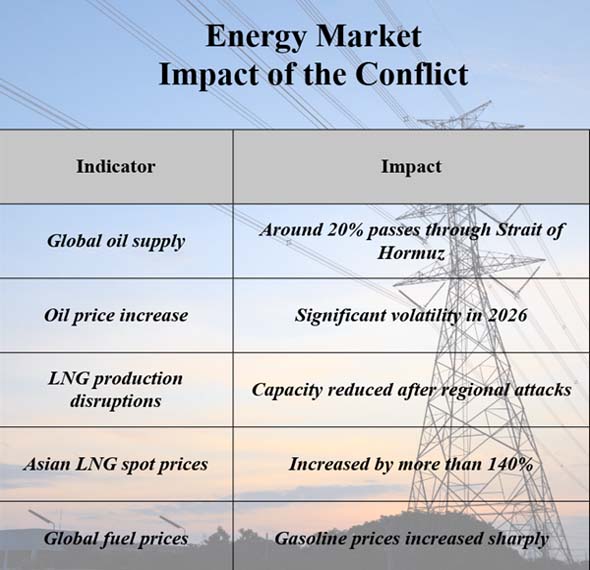
However, economies that import energy generally see the opposite happen. Countries that get a lot of their oil from other countries have to pay more, which makes their currencies weaker and hikes prices. As per Europe Exporter Data by Import Globals, the geopolitical disputes that caused the global energy crisis have made the gap between commodity exporters and consumers even worse.
Effects on Trade Around the World
Changes in the market for goods also change how trade works in other parts of the world. It costs more to move and create things when their prices go up. This can make trading slower and break supply chains.
For example, increased gasoline prices make it more expensive to ship and move goods. Most goods are moved by air or water, therefore this has a direct effect on trade around the world. Most of the time, businesses pass on the cost of increasing gas prices to their customers.
Based on United Kingdom Import Data by Import Globals, at the same time, economies with a lot of resources may have trade surpluses because they generate more money from selling things to other countries.
Inflation and Economic Expansion Put Pressure on
When commodity prices change suddenly, it can hurt the supply side of the global economy. Many sectors see an increase in the cost of creating items when the prices of energy and raw materials rise. Research on the global economy indicates that increasing commodity prices exacerbate inflation, reduce consumer purchasing power, and disrupt supply chains.
This can slow down economic growth by making households spend less on things they don't need and more on things they do need, like food and energy. Also, central banks need to raise interest rates to fight inflation, which might make the economy even slower.
What do We Need for the Switch to Green Energy?
As per USA Import Data by Import Globals, this change in demand is expected to last for decades because governments are spending a lot of money on ways to cut down on carbon emissions. This means that countries having a lot of minerals may have more power in world commerce.
Another issue that will effect commodity prices in 2026 is how quickly renewable energy technology is growing. We need a lot of metals, such copper, lithium, nickel, and cobalt, to move to renewable energy sources, battery storage, and electric cars. For instance, the need for environmentally friendly energy technology and infrastructure projects has caused copper prices to rise to their highest level in weeks.
Regionalizing the Supply Chain and Making Sure Resources Are Safe
According to Europe Import Export Trade Analysis by Import Globals, Markets for commodities are also changing how global supply systems work. Governments and businesses are putting more and more emphasis on the safety of resources and regional supply networks.
Recent Wars Between Countries Have Shown How Easy It is to Interrupt Global Supply Chains
So, a lot of countries obtain their goods from more than one area, or they spend money to create things at home so they don't have to rely on imports as much. As per USA Import Shipments Data by Import Globals, the trend might make the global trading system more focused on certain areas, and strategic resources could have an even stronger impact on economic policy.
What Will Happen to Markets for Goods in the Future
There are a lot of important things that will change the way commodity markets work in the future. Some of these are new technologies, the rise of the world economy, and political stability. Based on USA Export Import Global Trade Data by Import Globals, predictions for the economy say that growth may be slow around the world in 2026. The world is getting worse, and costs are going higher. This will slow down economies that are still rising.
But because the population is growing, infrastructure is being built, and people are switching to renewable energy, the need for energy and industrial goods will probably stay high for a long time. So, the areas where people buy and sell things will still have a huge impact on the entire economy.
Final Thoughts
Commodity markets have a big impact on the world's economy. At the same time, countries that buy energy are seeing their trade deficits and inflation go worse. These things indicate how intimately trade, currencies, and goods are linked. Even while global supply chains are changing and new energy technologies are changing how consumers buy goods, commodities markets will still be a big element of the world economy. As per United Kingdom by Import Globals, currency values, trade balances, and economic policies around the world are all being affected by higher energy costs, wars between countries, and the increased need for important minerals.
When there is a lot of demand for items, economies with a lot of resources benefit. The value of currencies that are tied to goods, such as the Australian dollar and the Norwegian krone, is going up. How well countries balance resource security, trade diversification, and economic growth will determine how well they adapt to this new global economy centered on commodities in the coming few years. Import Globals is a leading data provider of Europe Import Export Trade Data.
FAQs
Que. What kind of money is a commodity?
Ans. A commodity currency is a sort of money whose value is closely linked to the prices of the things that a country sells to other countries. These goods could be oil, metals, or food.
Que. Why are commodity currencies getting stronger in 2026?
Ans. When the prices of oil and metals go up, countries that have a lot of resources make more money from exports, which makes their currencies stronger.
Que. How do the pricing of goods around the world affect trade?
Ans. When the prices of things go up, it costs more to create and move them. This might lower trade volumes and raise inflation.
Que. Which products have the most impact on marketplaces around the world?
Ans. Energy items like crude oil and natural gas have the most impact, followed by metals like copper and precious metals like gold.
Que. Where to get detailed United Kingdom Import Export Global Data?
Ans. Visit www.importglobals.com.